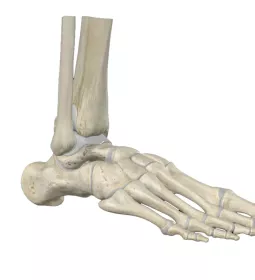
Massage therapy is a core component for treating ankle sprains and is used with other treatments used by other providers, such as laser therapy, ultrasound, microcurrent, and electrical stimulation.
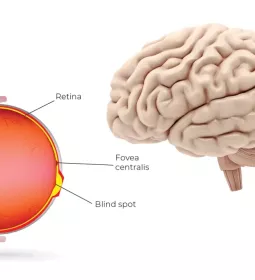
A client’s sensations and experience in a session likely have more to do with their brain’s sensory predictions than about what we actually do with our hands. We can use this principle to help shift our clients’ habitual tension, pain, or movement challenges by working with them to help their brains discover new experiences and update its predictions.
Researchers found that pain arising from the lumbar Z joints accounts for 10–15 percent of mechanical back pain in young adults and up to 40 percent in older people. Leveling the head and tail is one biomechanical approach to restoring balance.
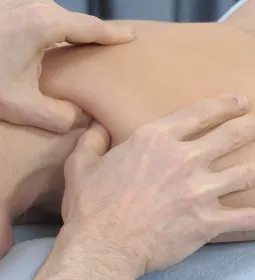
Rotator cuff issues can vary from mild strains to severe tears, posing treatment dilemmas. Massage can play a key role in conservative treatments if the therapy is well-designed and targeted to the client’s individual presentation.