



For most massage therapists, licensure is the norm. While practice act details vary state to state, 45 states require licensure for massage therapists, a clear indicator that it is the best practice for regulating the profession. It can be easy to take your license for granted when you haven’t known anything different during your career. But for some massage therapists, licensure is a foreign concept. It may feel like an intimidating step, unnecessary red tape or fees, or maybe a barrier to entry into the profession.
In truth, a statewide licensure requirement is the best protection a massage therapist can have. It provides stability, credibility, and security. Not only does it benefit you, the massage therapist, but it also protects your clients, making sure they get the best care when they need the healing touch of a massage therapist. So, let’s break down what it means to be a licensed massage therapist, how licensure works, and what can be gained from being a member of this regulatory class.
Protection for the Profession
One of the most important reasons why Associated Bodywork & Massage Professionals (ABMP) is such a fierce advocate for massage therapy licensure is the worker protection a license provides. The title protection that comes with licensure prevents unlicensed, untrained, inexperienced people from calling themselves massage therapists just to make a quick buck. A massage practice act creates guardrails for how massage therapists can be treated by customers, employers, and law enforcement. If written correctly, it can prevent governmental entities from charging you egregious, duplicative fees.
Profession-wide recognition is a critical benefit of massage therapy licensure. Being a licensed professional affords you a certain amount of respect: It shows you spent time, money, and energy on becoming an expert in your field. It lets your clients know they can trust you. It proves to them you are educated, experienced, and can help them with their pain and stress. In most states, it creates a database so a client can look up a practitioner’s license number before they book, allowing them to see you are credentialed and qualified. With a license, saying you’re a licensed massage therapist (LMT) means something.
Professional and State Accountability
Licensure also raises professional standards and accountability. The massage practice act establishes curriculum guidelines that standardize educational requirements. It sets testing requirements that outline qualifications and competencies for entry-level practitioners. Scope of practice provides professional uniformity and ensures a licensed therapist’s area of expertise isn’t infringed upon by other professionals, like physical therapists or podiatrists.
That little piece of paper doesn’t just help you—it also protects the consumer. Untrained, uneducated therapists can cause harm to consumers. In states without massage regulation, someone who has never gone to massage therapy school can legally set up shop, call themselves a massage therapist, and cause real harm to innocent, trusting consumers. A license says, “This person is qualified to help you.”
A statewide licensure requirement is the best protection a massage therapist can have: It provides stability, credibility, and security.
Feel like a change of scenery? Moving to another state gets a lot harder when you don’t have a license to transfer. Receiving a license by reciprocity always takes a little elbow grease, but getting licensed in a new state when you’re coming from one with no licensure is unbelievably difficult. We want massage therapists to have options. If your family moves or you want to expand your career across state lines, having a license is the best way to make sure you can keep practicing virtually uninterrupted.
Another great benefit of licensure is that, if written to include a municipal preemption clause (ABMP also supports this), it reduces administrative burden on LMTs by replacing patchwork regulation between municipalities and counties with one standard license that everyone must follow. In unregulated states, therapists who work across city or county lines often must pay multiple jurisdictions to practice. This kind of practice singles out massage therapists, making them pay a premium that other professions aren’t required to pay. A statewide license means one fee, applicable across the entire state.
Fight Against Human Trafficking
One more critical positive of licensure is in the fight against human trafficking. Statewide licensure makes it law enforcement’s responsibility to fight this heinous crime rather than an individual therapist’s responsibility. Without licensure, the burden is on LMTs to weed out and subvert these criminal enterprises. But fighting organized crime is not your job. With licensure, it’s easier for law enforcement officials to spot criminal actors and shut them down for good. We want these individuals to stop exploiting people and the life-changing profession that is massage therapy. Statewide licensure is the fastest and most effective way to do that.
Bottom line: Your license is more than a little piece of paper; it’s your best ally in protecting and defending the massage therapy profession.
Licensure Policies
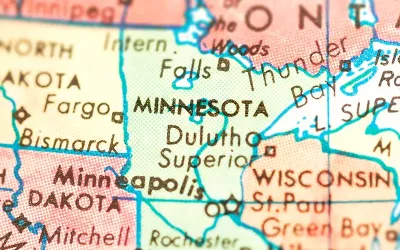
Now, let’s look at a snapshot of the nation’s massage therapy licensure policies. As mentioned earlier, 45 states have granted protection to massage therapists through statewide licensure. The details of each state’s practice act may differ here and there, but they all provide protection to the profession and its consumers through state law. The remaining five states leave gaps in the protection they extend to therapists and consumers with their massage regulation (or lack thereof). California has a voluntary certification run by a private nonprofit. This presents challenges for the profession, like patchwork regulation, excessive fees, poor transparency, and less commitment to due process. Vermont has a mandatory registration, which offers little practical benefit. Massage therapists simply register with the state as a massage therapist, and there is little more to it than that. Then there are three states that offer zero protection to the public due to no statewide massage regulation whatsoever: Kansas, Minnesota, and Wyoming. ABMP, in partnership with other organizations in the profession, is taking the fight for licensure to Minnesota in 2026, and we want your help.
With no statewide regulation for massage therapy, Minnesota leaves the profession, its practitioners, and its customers unprotected. This creates a confusing patchwork of local regulations that leaves loopholes for bad actors and drives up operating costs for legitimate practitioners. It leaves consumers with no way to make sure their massage therapist is educated and experienced or to see if a therapist has lost their license to practice in another state.
ABMP aims to change that by passing a robust massage therapy practice act into law in 2026. Two companion bills were filed in Minnesota in 2025: Senate File 1131 and House File 362. A coalition of professional organizations is working overtime to get one of these bills passed and signed into law in 2026. You may be asking, “What would statewide licensure look like in Minnesota?” In ABMP’s ideal world, Minnesota’s massage therapy practice act would look like this:
-
A clear definition of what massage therapy is, so LMTs know what is and is not within their scope of practice (see "Defining Massage" for a discussion on the definition of massage).
-
Title protection for the terms licensed massage therapist, LMT, licensed Asian bodywork therapist, and LABT.
-
Reasonable licensing fees that aren’t burdensome to LMTs.
-
Require 600–625 hours of education from a qualified massage therapy school, including an appropriate number of hands-on hours.
-
A generous legacy provision that respects experience and allows current therapists to keep practicing uninterrupted as the new law takes effect.
-
Regular and reasonable continuing education (CE) requirements.
-
Enforcement mechanisms, including background checks, that empower a massage therapy board and local law enforcement to weed out unlicensed providers.
-
An exam requirement that guarantees LMTs are competent to practice.
-
Establishment of a massage therapy board as an arm of the state government, ensuring the board operates with transparency and accountability.
-
A health-care designation for the profession.
-
Municipal preemption (mentioned above) that protects LMTs from paying for multiple licenses or permits in multiple jurisdictions.
-
No establishment licensure—if other businesses don’t have to do it, LMTs shouldn’t either. They should pay the same business permit fees as any other business on their street; if one does exist, there should be an exemption for solo practitioners.
These components will create a massage therapy practice act that protects you, your business, and your clients.
How You Can Help
If we’re going to make massage therapy a licensed practice in Minnesota in 2026, we need the help of all Minnesotans, not just massage therapists. Write a letter or email to your elected officials sharing why licensure is an important and necessary step to advance the massage and Asian bodywork therapy communities. Have your friends and family who aren’t LMTs do the same. Legislators need to hear directly from their constituents that this is an important issue that must be addressed as soon as possible. Scan the QR code with this article to learn more about our licensure efforts in Minnesota, read the bill, scroll through our FAQs, and send an advocacy email with a provided template.
If you’re a therapist in one of those other four states in need of massage therapy regulation (California, Kansas, Vermont, and Wyoming), stick with us. We continue to fight for you too. This is the future we want for massage therapy. Together, we’re so close to achieving it.