There are so many categories of soft-tissue dysfunctions, we cannot expect to know them all. But let's learn a few common soft-tissue injuries and how to approach.
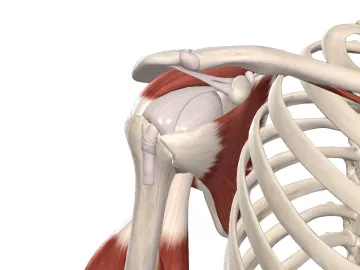
Shoulder pain and stiffness are common upper extremity complaints. Interestingly, recent research indicates mechanical impingement may not be the primary cause of pain in some cases. So what's the cause?
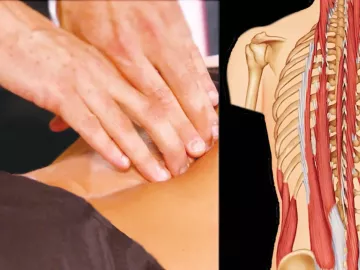
Have you ever noticed your fingers cramping or forearms slipping along the client’s skin when attempting to apply deep-tissue techniques? Here we'll deconstruct a few hand and forearm maneuvers.
Every session holds the promise of a lesson to be learned from every client encounter. One of the most powerful opportunities for deepening our understanding comes from the questions clients may ask.
How often do you bring breathwork into your practice? How often do you bring it into your life? Perhaps a reminder of the vast and profound benefits of this simple practice will encourage you to start.
Therapists sincerely want to help their clients feel better, whether the treatment is geared toward relaxation or a specific injury or pain. Unfortunately, there are many cases of well-meaning therapists who have injured their clients. Here's how to prevent that.
Pregnancy is one of life’s most precious—and most stressful—opportunities. Where does this pregnancy stress originate? How does it affect pregnancy outcomes?
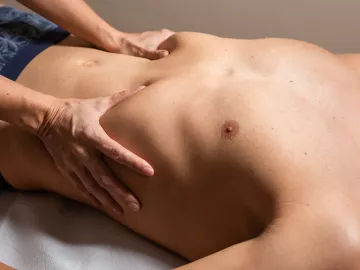
Learn about and explore the muscles that keep our abdomen engaged, including the serratus and intercostals, and a technique called proprioceptive neuromuscular facilitation.
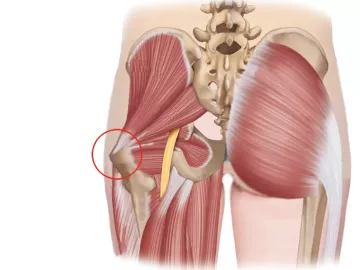
Outlining a few techniques to free up the tissues with symptoms associated with tendinopathies in the buttocks, including piriformis syndrome, gemelli-obturator internus syndrome, ischial tunnel syndrome, and more.