Whitney Lowe is the developer and instructor of one of the profession’s most popular orthopedic massage training programs. His text and programs have been used by professionals and schools for almost 30 years. Learn more at academyofclinicalmassage.com.
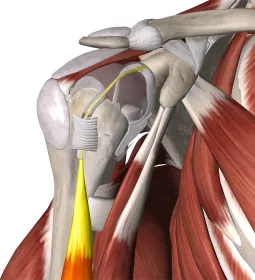
Rotator cuff issues can vary from mild strains to severe tears, posing treatment dilemmas. Massage can play a key role in conservative treatments if the therapy is well-designed and targeted to the client’s individual presentation.
While massage therapists do not perform diagnostic imaging, understanding its role and limitations in identifying rotator cuff pathologies can enhance client education and interprofessional communication.
Expressing a genuine interest in the client’s complaint is the first step to building trust between you and them. Knowing what information to delve into is part experience, part strategy.
Incorporating massage therapy into a comprehensive treatment plan for lumbar disc and myofascial pain can help clients address overall low-back pain, gain greater freedom of movement, and get a better quality of life.
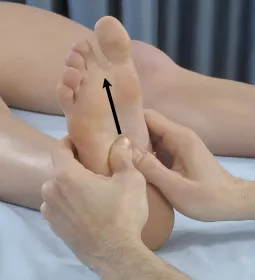
The feet and legs are sometimes ignored in massage treatment. Yet, lower-extremity massage has resounding effects throughout the kinetic chain of our body.
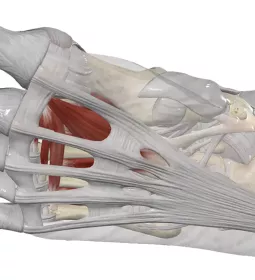
There are several potential causes of plantar foot pain, including the most common, plantar fasciitis. Other nerve entrapment syndromes, such as tarsal tunnel syndrome, Morton’s neuroma, and Baxter’s neuropathy, can also cause plantar foot pain.
Massage cannot repair cartilage injuries, but it can be an excellent adjunct treatment that can ease pain, help prevent further complications, and lead to overall treatment success.
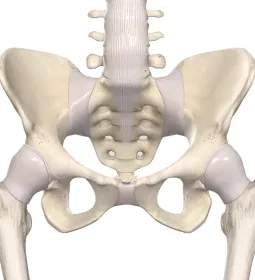
Increased understanding of the biomechanics of the sacroiliac joint have led to a re-evaluation of traditional approaches to treating SI joint dysfunction.